What Should I Do Right After a Car Accident in Hattiesburg?
A car accident can turn an ordinary day into a stressful and confusing experience within seconds. Whether the crash occurs on Highway 49, Interstate 59, Hardy Street, or a neighborhood road, many drivers are left wondering what they should do next.
The decisions you make in the hours and days after a collision can affect your health, your insurance claim, and potentially your ability to recover compensation if you've been injured.
If you're unsure where to start, this guide walks through the most important steps to take after a car accident in Hattiesburg, Mississippi.
Check Safety and Get Medical Care
Your first priority should always be safety.
If possible, move to a safe location away from traffic. Check yourself and others for injuries and call 911 if anyone appears injured or requires medical attention.
Even when injuries seem minor, seeking medical evaluation is important.
Many common accident injuries may not produce symptoms immediately, including:
- Concussions
- Whiplash
- Soft tissue injuries
- Back injuries
- Internal injuries
Adrenaline can mask pain following a collision, causing people to underestimate the seriousness of their injuries.
Prompt medical care helps protect your health and creates documentation that may later become important if an insurance claim arises.
Don't Ignore Delayed Symptoms
It is common for accident victims to feel relatively normal immediately after a crash only to develop symptoms hours or days later.
Watch for:
- Headaches
- Neck pain
- Back pain
- Dizziness
- Numbness
- Difficulty concentrating
If symptoms develop, seek medical attention as soon as possible.
Call Law Enforcement
After ensuring everyone's safety, contact local law enforcement.
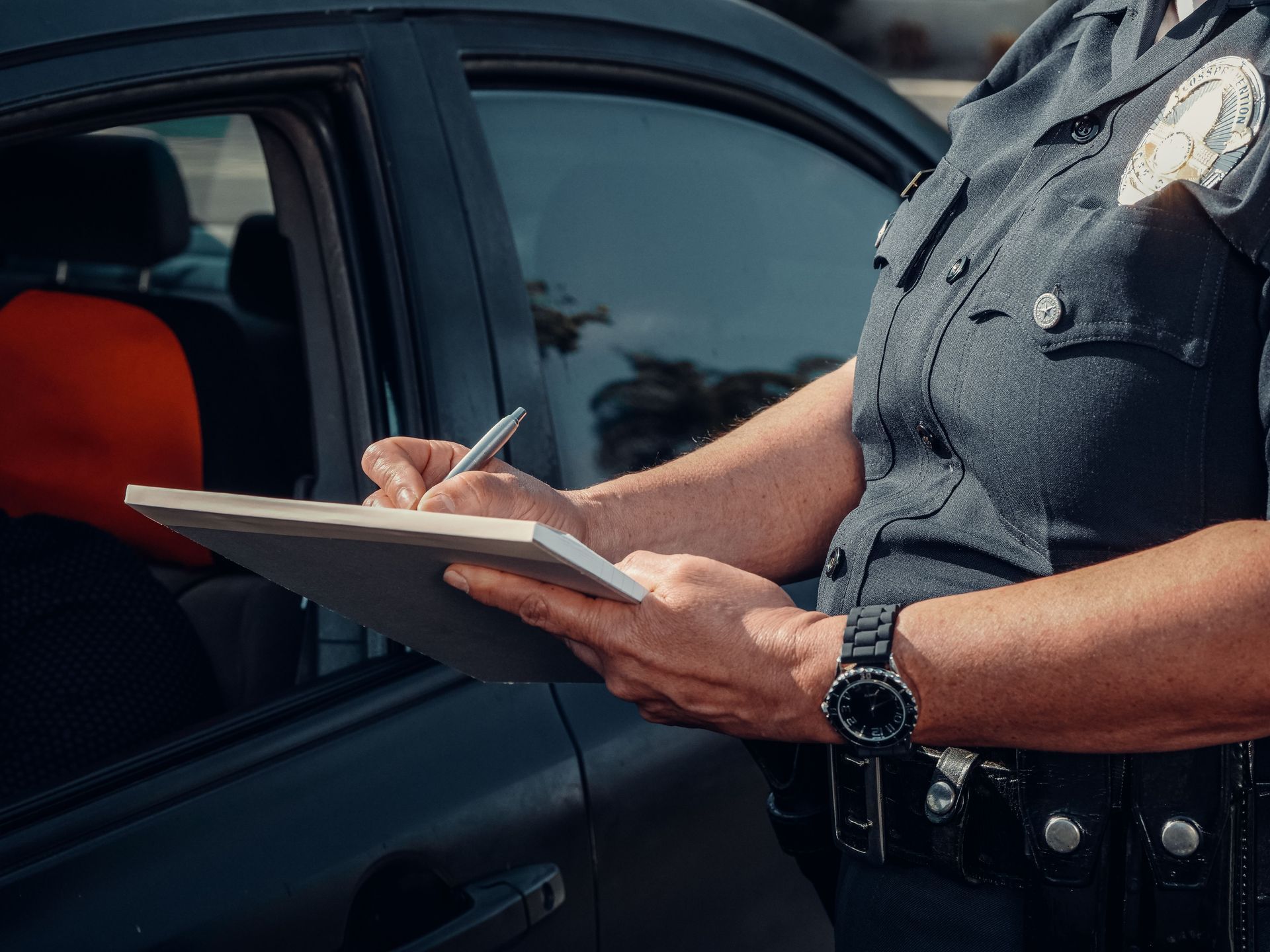
Police officers can investigate the accident, document the scene, interview drivers, and prepare an accident report.
The police report often becomes one of the most important pieces of evidence during an insurance claim.
When speaking with officers:
- Answer questions honestly
- Stick to the facts
- Avoid speculation
- Avoid admitting fault
Many factors contribute to accidents, and fault is not always obvious immediately after a collision.
Let investigators gather the facts before conclusions are drawn.
Request Report Information
Before leaving the scene, obtain information regarding:
- Responding agency
- Officer name
- Report number
- Instructions for obtaining a copy
Having this information can make the claims process much easier later.
Document the Scene
Evidence collected immediately after a crash can become extremely valuable.
If it is safe to do so, use your phone to document:
Vehicle Damage
Take photos of:
- Your vehicle
- Other involved vehicles
- Impact points
- License plates
Road Conditions
Capture images showing:
- Traffic signals
- Road signs
- Weather conditions
- Road hazards
- Skid marks
- Debris
Injuries
Photograph any visible injuries as soon as possible and continue documenting changes during recovery.
Gather Witness Information
If witnesses saw the collision, ask for:
- Names
- Phone numbers
- Email addresses
Independent witness statements can sometimes help clarify disputed facts later.
Exchange Driver Information
Obtain:
- Driver names
- Phone numbers
- Insurance information
- Vehicle information
Keep conversations professional and brief.
Notify Insurance Carefully
Most insurance policies require prompt notification of an accident.
Contact your insurer and provide basic factual information about what happened.
However, it is important to be cautious when discussing details before you fully understand the extent of your injuries.
Be Careful With Recorded Statements
Insurance adjusters may request recorded statements shortly after an accident.
Before providing detailed statements:
- Understand your injuries
- Review available information
- Consider seeking legal guidance if injuries are significant
Inconsistencies or incomplete information can create issues later if your medical condition changes.
Avoid Guessing
If you do not know an answer, it is generally better to say so than to speculate.
Accident investigations often reveal facts that are not immediately apparent at the scene.
Don't Rush to Settle
Insurance companies sometimes make early settlement offers before the full extent of injuries becomes clear.
Accepting an early settlement may limit your ability to recover additional compensation later.
Before agreeing to any settlement, it is important to understand the long-term impact of your injuries and medical expenses.
When to Contact a Lawyer
Not every accident requires legal representation. However, many injured drivers benefit from understanding their rights before making important decisions.
You may want to speak with a lawyer if:
- You suffered injuries
- Medical treatment is ongoing
- Liability is disputed
- Multiple vehicles were involved
- The insurance company denies responsibility
- A settlement offer seems low
- You missed work because of your injuries
An attorney can review the facts, answer questions, and explain available options without requiring you to commit to legal action.
Early Guidance Can Help
One common mistake accident victims make is waiting until problems arise before seeking advice.
Early legal guidance can help preserve evidence, avoid costly mistakes, and provide clarity during a stressful situation.
Even if you ultimately resolve the claim without litigation, understanding your rights can help you make informed decisions.
Common Mistakes to Avoid After a Car Accident
While every case is unique, several mistakes frequently create challenges for accident victims.
Delaying Medical Treatment
Waiting too long to seek care can affect both recovery and documentation.
Failing to Follow Treatment Recommendations
Insurance companies often review treatment records carefully.
Missed appointments may create questions about injury severity.
Posting on Social Media
Public posts about the accident, injuries, or activities may be reviewed during an insurance claim.
Throwing Away Documents
Keep copies of:
- Medical bills
- Repair estimates
- Accident reports
- Insurance correspondence
Good records can simplify the claims process significantly.
Frequently Asked Questions
Should I call the police after a minor accident in Hattiesburg?
It is generally wise to report an accident and obtain documentation whenever possible. A police report can become valuable if injuries or disputes arise later.
What if I don't feel injured right away?
Many injuries take hours or days to fully develop. Monitor your symptoms closely and seek medical care if anything changes.
Should I talk to the other driver's insurance company?
You may be contacted by the other driver's insurer. Before providing detailed statements, consider whether you have enough information about your injuries and damages.
What if the accident happened on I-59 or Highway 49?
The same general steps apply regardless of where the collision occurred. Prioritize safety, medical care, documentation, and proper reporting.
When should I contact a lawyer?
If you have injuries, ongoing treatment, liability concerns, or insurance disputes, speaking with a lawyer sooner rather than later may help protect your interests.
Talk Through Your Next Steps
The hours after a car accident can feel overwhelming, especially when you're dealing with injuries, vehicle damage, and insurance questions.
You do not have to figure everything out alone.
If you've been involved in a car accident in Hattiesburg or the surrounding area, Courtney Law, PLLC can help you understand your options and determine the best path forward.
Call now to discuss your next steps.